
Data Centers, AI, and Georgia's Future
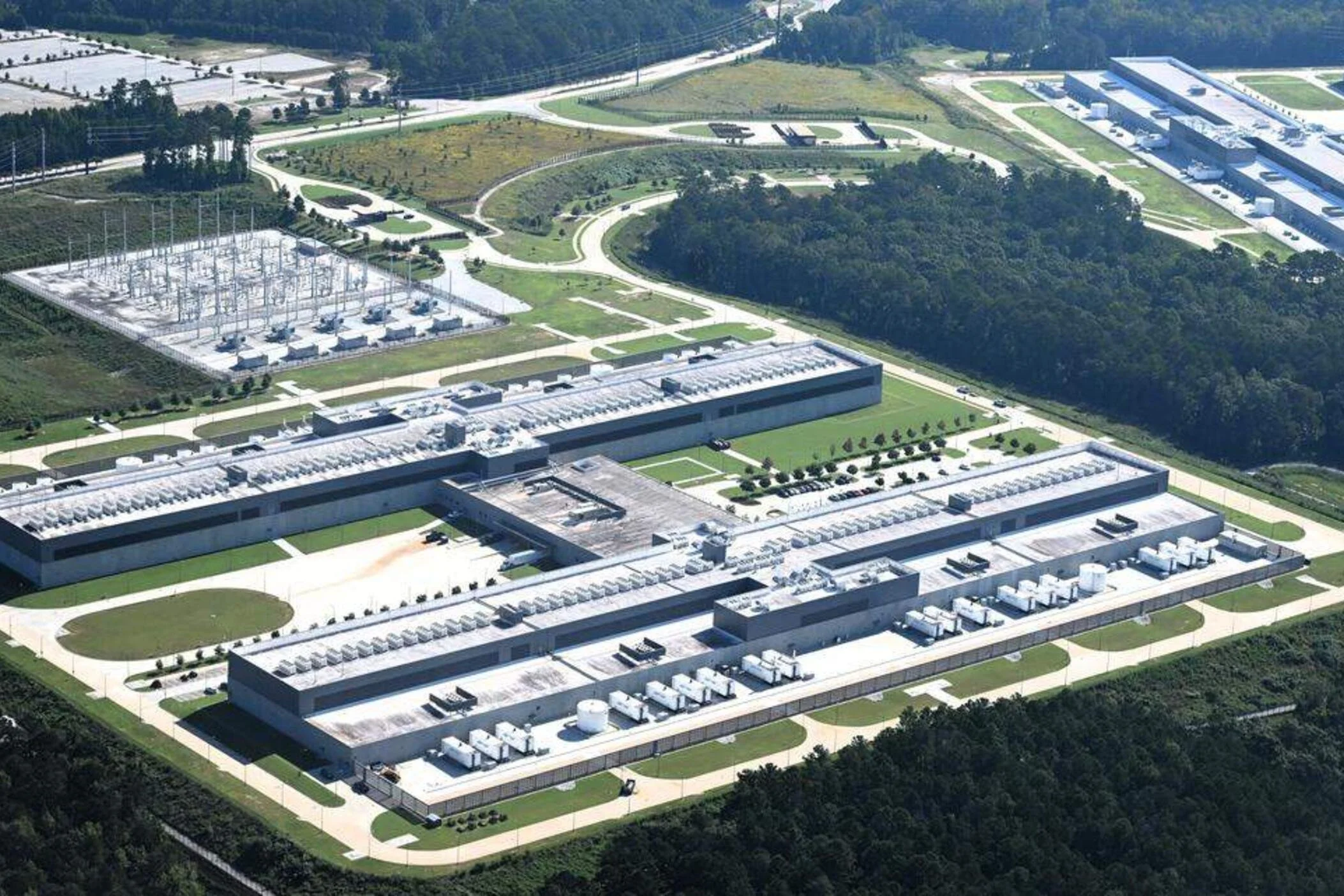
An aerial view of the Meta’s Stanton Springs Data Center on Wednesday, Sept. 3, 2025, in Newton County, Ga.
Credit: Katie Tucker/The Telegraph
This post is Part 1 of a series exploring data centers, artificial intelligence, and Georgia's future.
In this post, I explore some of the questions communities, local governments, and policymakers should answer before approving additional large-scale data center development, particularly around energy demand, water resources, infrastructure, and long-term community impacts.
The proposed data center on Bells Ferry Road in East Cobb reveals a larger trend unfolding across Georgia and across the country. Georgia has become one of the nation's fastest-growing hubs for data center development, driven by increasing demand for AI, cloud computing, and digital services.
Technology will continue to shape our future. As a user experience research leader at a Fortune 50 company with a background in cognitive psychology, I see firsthand how organizations across every sector are working to understand and adapt to the opportunities and challenges presented by AI. I have also served on the Zoning Review Board for the City of Atlanta, where I learned the importance of thoughtful planning, community input, and understanding the long-term consequences of development decisions.
AI is becoming an increasingly important part of our future, and we need to ensure that public policies and community engagement can keep pace.
Questions We Need to Answer
Before we say "yes" to individual proposals, we must answer some important questions:
What are the long-term impacts on energy demand and our electric grid?
How will increased water usage affect communities across Georgia?
What are the cumulative effects of dozens of data centers operating across the state, not just one project at a time?
How can local governments and residents access independent information when evaluating highly technical proposals?
These are not anti-technology questions. These are governance questions.
Why This Matters
Georgia has an opportunity to lead. But leadership requires more than attracting investment. It requires thoughtful planning, transparency, and a commitment to understanding both the benefits and tradeoffs of decisions that could affect our communities for decades to come.
Before we approve large-scale expansion of data center infrastructure across our state, we should conduct independent analysis of the cumulative impacts on energy demand, water resources, grid infrastructure, local communities, and long-term economic outcomes.
This matters because these decisions have the potential to influence:
The reliability and future capacity of Georgia's electric grid
Water resources shared by communities across the state
Public and private investments in infrastructure
Economic development, jobs, and local tax revenue
Quality of life for nearby residents and neighborhoods
Georgia's ability to responsibly prepare for an AI-powered future
We should ensure that local governments have access to the information they need to make informed decisions, and we should engage the public in a meaningful conversation about how Georgia prepares for an AI-powered future.
My Position
Until that work is completed, I support a temporary moratorium on large-scale data center approvals so that communities, policymakers, utilities, and industry leaders have the opportunity to make informed decisions based on evidence rather than assumptions.
Other communities, including Roswell, have already recognized the value of taking a step back to study these questions more carefully. We should learn from those efforts.
Looking Beyond Bells Ferry
The Bells Ferry proposal may be a local issue, but the questions it raises are statewide.
I am running for the Georgia state House because East Cobb families deserve practical solutions and real results. We have a responsibility to approach these questions with curiosity, humility and a commitment to evidence-based policymaking. The decisions we make today will shape Georgia’s economy, environment, and quality of life for decades to come.
We owe it to our communities, and future generations, to get them right.
Learn More
For those interested in exploring this issue further, here are a few resources that informed my thinking:
Georgia Public Broadcasting (2025): How Georgia Became the "Wild West" of Data Centers: Transparency on the Horizon
Georgia Department of Audits and Accounts (2025): Georgia Data Center Sales & Use Tax Exemption
Continue the Conversation
This post is Part 1 of a series exploring data centers, artificial intelligence, and Georgia's future.
In Part 2, I examine another side of the issue: Georgia's data center tax incentives, who pays for them, and why transparency and accountability matter when public resources are involved.
Join the Conversation
These are the kinds of conversations I believe we need more of in Georgia: thoughtful, evidence-based discussions about the challenges and opportunities shaping our future.
If this resonates with you, I'd love to have you join our campaign.
