
Data Centers: Preparing Georgia for What Comes Next
This is Part 3 of a series exploring data centers, artificial intelligence (AI), and Georgia's future.
In Part 1, we examined the physical infrastructure that powers AI, including the implications for energy, water, and our communities.
In Part 2, we turned to the financial side of the equation, asking what taxpayers are contributing through data center tax incentives and what public accountability should accompany those investments.
This series explored questions raised by Georgia's rapid growth in data center development. However, as I continued researching this topic, I realized something I hadn’t expected:
The larger question isn't really about data centers.
It's about how we prepare ourselves to govern in a time of rapid technological change.
Technology always evolves. But the pace of change today feels different. AI continues to advance rapidly, new applications emerge almost weekly, and even experts acknowledge that many of today's assumptions may not hold a decade from now.
None of us can predict exactly what AI infrastructure will look like 10 or 20 years from now. Computing may become more efficient. New architectures may emerge. The technologies that seem indispensable today may eventually give way to approaches we have not yet imagined.
That uncertainty isn't a reason to stop innovating. It's a reason to build institutions that can learn alongside innovation.
Beyond Policy
While knocking doors in East Cobb, I've had conversations with neighbors that continue to shape my thinking.
One voter expressed frustration that government often seems slow to adapt as the world changes. Another voter said that when it comes to AI, we need education, not just policies.
Those conversations stayed with me.
They reminded me that governing emerging technologies isn't simply about writing laws. It's also about building the capacity to understand new challenges, engage the public thoughtfully, and adapt as evidence evolves.
As a cognitive psychologist and user experience research leader, I've spent my career thinking about how people understand complex information, make decisions under uncertainty, and learn from new evidence.
Perhaps our institutions should be asking those same questions.
Building Capacity to Learn
Georgia doesn't need the government to predict every technological breakthrough. We need a state government that’s prepared to learn.
Building institutional capacity could include:
Expanding access to independent technical expertise for local governments
Partnering more closely with Georgia's universities
Regularly reviewing emerging technologies as they evolve
Communicating in ways that are accessible to the public
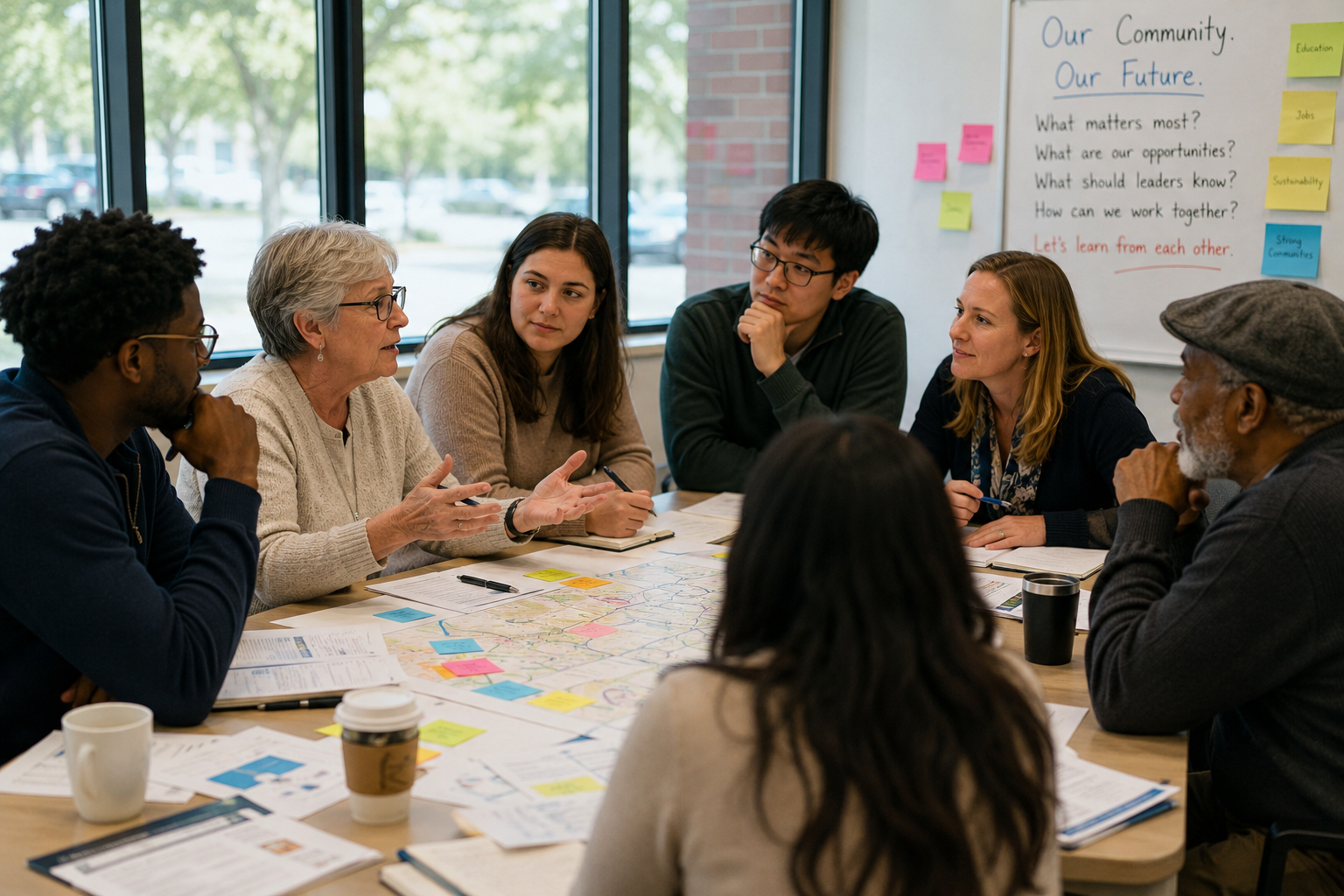
Creating meaningful opportunities for residents to participate before major decisions are made
These are not just AI policies. They’re investments in institutional capacity because technology will continue to change, and our responsibility is to ensure that our public institutions are capable of changing with it.
Strengthening Public Confidence
While connecting with voters, I've also heard a broader concern that extends beyond technology.
People want confidence that our institutions are listening, learning, and responding thoughtfully to the challenges before them.
That confidence can’t be created through messaging alone. It’s earned through transparency, accountability, curiosity, and a demonstrated willingness to learn.
The future will almost certainly surprise us, and the question isn’t whether change will come.
The question is whether we will build institutions that remain worthy of the public's trust as that change unfolds.
Looking Ahead
Throughout this series, I've argued that Georgia has an opportunity to lead.
I still believe that. But leadership is about more than attracting investment or adopting new technologies.
Leadership is about creating the conditions for thoughtful public dialogue, evidence-based policymaking, and meaningful civic participation.
Emerging technologies will continue to reshape our economy and our communities.
That work belongs to all of us:
Researchers. Teachers. Students. Business leaders. Community organizations. Journalists. Public servants. And residents who are willing to ask thoughtful questions about the future we are creating together.
If this series has taught me anything, it's that preparing for the future isn't about having all the answers.
It's about building institutions that are curious enough to learn, humble enough to adapt, and committed enough to keeping people at the center of the decisions that shape our shared future.
Because our greatest challenge isn't merely building smarter technologies. It's building a society that is wise enough to govern them.
Join the Conversation
These are the kinds of conversations I believe we need more of in Georgia: thoughtful, evidence-based discussions about the challenges and opportunities shaping our future.
If this resonates with you, I'd love to have you join our campaign.
